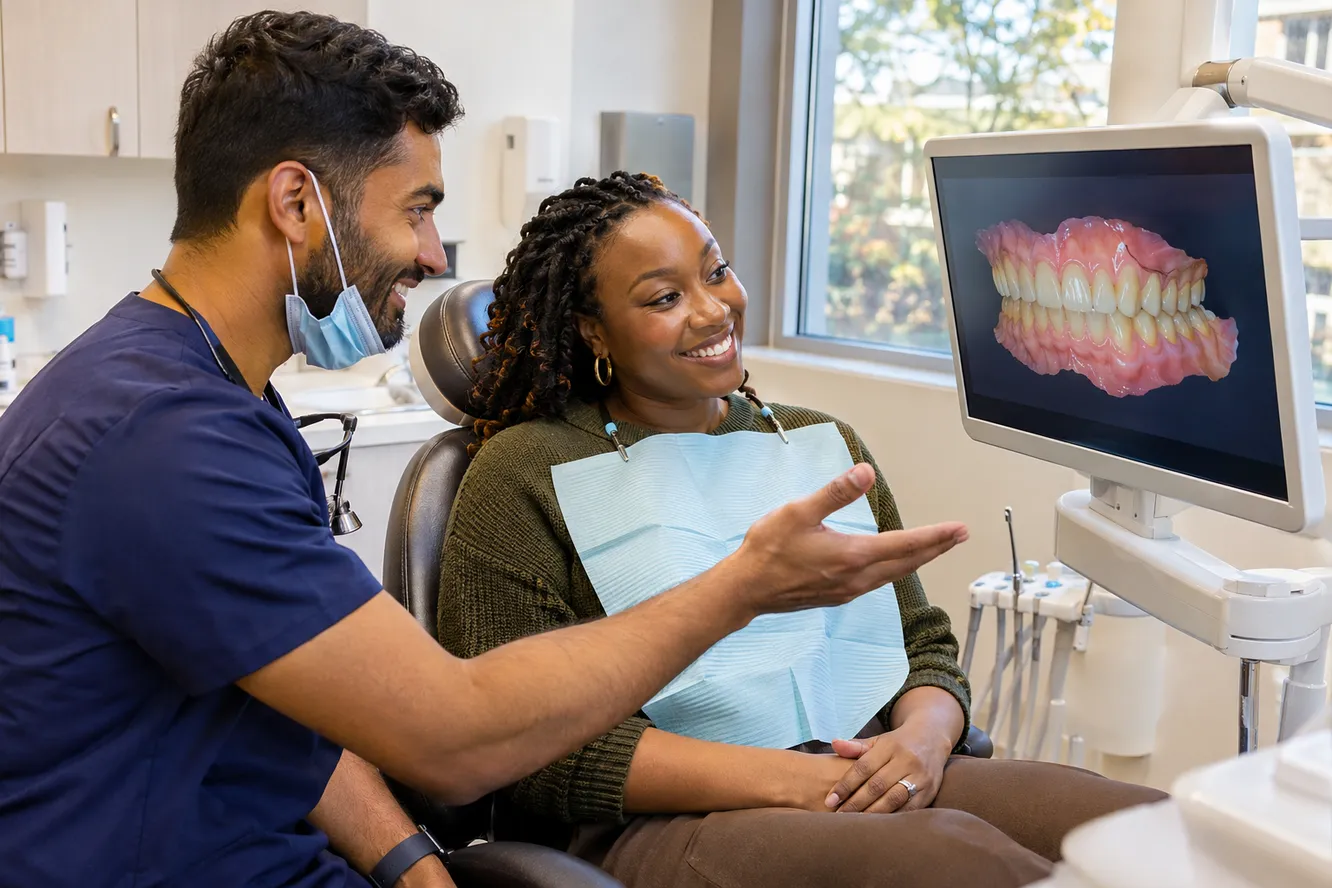

Online marketing for dentists has become an essential part of building a successful dental practice. Today, patients frequently use search engines, social media platforms, online reviews, and healthcare directories to find dentists and compare dental services before scheduling appointments. Having a professional dental clinic is important, but making sure potential patients can discover your practice online is equally valuable.
Whether you operate a small dental clinic, a multi-location dental practice, or a specialized dental care center, digital marketing can help you increase visibility, attract new patients, and build long-term relationships with existing ones.
A well-planned online marketing strategy allows dentists to promote their services, educate patients about oral health, highlight their expertise, and make appointment scheduling easier. From local search engine optimization to social media campaigns and paid advertisements, several digital channels can support the growth of a dental practice.
Understanding these strategies can help dentists develop a strong online presence and remain competitive in the modern healthcare industry.
What Is Online Marketing for Dentists?
Online marketing for dentists refers to using digital platforms and promotional strategies to advertise dental services, connect with potential patients, and increase awareness of a dental practice.
It includes activities such as search engine optimization, website development, social media marketing, online advertising, email marketing, content creation, and online reputation management.
For example, a dental clinic in New York may use local SEO to appear when someone searches for a dentist near me or teeth whitening services in New York. The clinic may also publish educational content, share patient-approved testimonials, and run targeted advertising campaigns.
The primary objective is to help patients discover the practice, understand its services, and feel confident about scheduling an appointment.
Unlike traditional advertising, online marketing provides opportunities to reach specific audiences and measure campaign performance.
Why Is Online Marketing Important for Dental Practices?

Patients often research dental clinics before choosing a provider. They may compare treatment options, read reviews, check clinic locations, and explore dentist qualifications.
A strong online presence helps dental practices become more visible during this decision-making process.
Increases Online Visibility
SEO and digital advertising can help dental clinics appear when people search for relevant dental services.
Attracts New Patients
Location-based campaigns and informative website content can connect dentists with people actively looking for dental care.
Builds Trust and Credibility
Professional websites, accurate information, genuine reviews, and educational content help patients understand the practice.
Promotes Dental Services
Online platforms allow dentists to explain preventive care, cosmetic dentistry, orthodontics, dental implants, and other available treatments.
Improves Patient Communication
Websites, email campaigns, and social media provide convenient ways to share clinic updates, appointment information, and oral health advice.
Supports Long-Term Growth
Consistent marketing can help dental practices maintain visibility, encourage patient retention, and develop a recognizable local brand.
Best Online Marketing Strategies for Dentists
A successful dental marketing strategy combines several digital channels. Each channel serves a different purpose, from attracting new patients to maintaining relationships with existing ones.
Search Engine Optimization for Dentists
Search engine optimization, commonly known as SEO, helps dental websites improve their visibility in organic search results.
When people search for services such as family dentist, emergency dentist, dental implants, or teeth cleaning, they usually prefer relevant practices that are easy to find.
Dental SEO focuses on improving website content, technical performance, local relevance, and overall search experience.
Important dental SEO activities include:
- Researching relevant dental keywords.
- Optimizing website titles and meta descriptions.
- Creating individual pages for dental treatments.
- Improving website loading speed.
- Making the website mobile-friendly.
- Publishing helpful oral health articles.
- Improving internal linking.
- Building relevant and trustworthy backlinks.
For example, a dental clinic offering orthodontic services can create a dedicated page explaining braces, treatment options, eligibility, and the consultation process.
SEO is generally a long-term strategy. Rankings and traffic depend on competition, website quality, location, and other search engine factors.
Local SEO for Dental Clinics
Local SEO is particularly important for dentists because most patients prefer dental clinics that are convenient to reach.
It helps dental practices improve their visibility in geographically relevant searches.
A dentist in Los Angeles, for example, may want to appear for searches such as dentist in Los Angeles, dental clinic near me, or family dentist in Los Angeles.
Local SEO activities include optimizing the Google Business Profile, maintaining consistent business information, creating location-specific website pages, and encouraging genuine patient reviews.
Dental practices should also ensure that their address, phone number, operating hours, and available services are accurate across relevant online platforms.
A properly optimized local presence makes it easier for potential patients to find clinic information and contact the practice.
Google Business Profile Optimization
Google Business Profile is an important digital marketing tool for dental clinics.
It allows practices to display useful information in Google Search and Google Maps.
A complete profile may include:
- Dental clinic name.
- Address and contact information.
- Opening and closing hours.
- Website link.
- Dental services.
- Clinic photographs.
- Appointment information.
- Patient reviews.
Dentists should regularly review their profile to ensure the information remains accurate.
Responding professionally to patient feedback can also demonstrate that the clinic values communication and patient experiences.
However, dental practices must protect patient confidentiality when responding to reviews. They should never confirm someone’s patient status or reveal treatment information without proper authorization.
Professional Dental Website Design
A dental website acts as the online foundation of a practice. It is often one of the first places potential patients visit when evaluating a clinic.
An effective website should be professional, informative, easy to navigate, and optimized for mobile devices.
Important website sections include:
| Website Section | Purpose |
|---|---|
| Homepage | Introduces the dental practice |
| About Us | Shares dentist qualifications and clinic information |
| Services | Explains available dental treatments |
| Contact Page | Provides contact and location details |
| Appointment Page | Helps patients request appointments |
| Blog Section | Provides oral health education |
| Patient Reviews | Displays genuine patient feedback |
| FAQ Page | Answers common dental questions |
A website should also include clear calls to action, such as Request an Appointment or Contact Our Dental Team.
The design should prioritize accessibility, privacy, and a simple patient experience.
Social Media Marketing for Dentists
Social media marketing helps dental clinics build awareness and connect with local communities.
Platforms such as Facebook, Instagram, YouTube, and TikTok offer opportunities to share educational content and introduce dental services.
Dentists can publish content covering:
- Daily oral hygiene tips.
- Toothbrush and toothpaste selection.
- Dental treatment explanations.
- Common dental problems.
- Children’s dental care.
- Clinic introductions.
- Dentist interviews.
- Oral health awareness campaigns.
Short educational videos can make complex dental topics easier to understand.
For example, a dentist can create a short video explaining the importance of regular dental checkups or demonstrating proper brushing techniques.
All patient photographs, videos, and testimonials should be shared only with appropriate informed consent and in accordance with applicable privacy requirements.
Google Ads for Dental Practices
Google Ads allows dental clinics to promote their services through paid search advertising and other advertising placements.
These campaigns can target people searching for specific dental treatments or services.
For example, a clinic may advertise emergency dental consultations, orthodontic services, or teeth whitening.
A well-planned Google Ads campaign should include relevant keywords, accurate ad copy, suitable geographic targeting, and informative landing pages.
Dental clinics should monitor important performance metrics such as clicks, inquiries, appointment requests, and conversion rates.
Healthcare advertising policies and local regulations should always be reviewed before launching campaigns. Advertisements should avoid misleading treatment promises or unsupported claims.
Content Marketing for Dentists
Content marketing is an effective way to educate potential patients and establish a dental practice as a useful source of oral health information.
Dental clinics can publish blog posts, guides, infographics, videos, and frequently asked questions.
Useful article topics include:
- How to Maintain Healthy Teeth.
- Benefits of Regular Dental Checkups.
- Common Causes of Tooth Sensitivity.
- How to Choose the Right Toothbrush.
- Understanding Different Types of Braces.
- Tips for Children’s Oral Hygiene.
- What to Expect During a Dental Cleaning.
Content should be accurate, easy to understand, and reviewed by a qualified dental professional.
Helpful educational material can improve website engagement and support organic search visibility.
Online Reputation Management
Online reputation plays an important role in how patients evaluate dental practices.
People often read reviews before deciding whether to contact a clinic.
Dentists can strengthen their reputation by providing quality care, communicating clearly, and encouraging patients to share honest feedback.
Important reputation management practices include:
- Monitoring reviews on relevant platforms.
- Responding professionally to feedback.
- Addressing complaints appropriately.
- Encouraging genuine patient experiences.
- Updating outdated clinic information.
- Avoiding fake or purchased reviews.
A professional response to criticism can demonstrate a commitment to improving patient experiences.
Email Marketing for Dental Clinics
Email marketing helps dental practices maintain communication with patients who have agreed to receive relevant messages.
Clinics can use email campaigns to share oral health advice, clinic announcements, newsletters, and appointment reminders.
For example, a dental practice may send educational information about preventive dental care or reminders for routine checkups.
Email communication should be permission-based and comply with applicable privacy and marketing regulations.
Messages should be useful, personalized where appropriate, and easy for recipients to manage.
Online Marketing Ideas to Attract More Dental Patients
Dental clinics can use creative marketing ideas to improve engagement and reach new audiences.
Share Educational Dental Videos
Create short videos explaining common dental procedures, oral hygiene practices, and preventive care. These videos can help patients better understand dental topics.
Publish Dentist Introduction Posts
Introduce dentists and team members through professional photographs and short biographies. Highlight their qualifications, experience, and areas of practice.
Create Location-Based Blog Articles
Publish helpful articles about dental services available in the clinic’s city or surrounding communities.
Promote Preventive Dental Care
Share information about routine dental examinations, professional cleanings, and healthy oral hygiene habits.
Use Patient Testimonials Responsibly
With appropriate permission, share genuine patient feedback that describes their experience without making unsupported medical claims.
Celebrate Oral Health Awareness Events
Create educational campaigns around relevant oral health awareness occasions to encourage healthy habits.
Improve Appointment Convenience
Offer clear online appointment request options and provide accurate information about clinic hours, services, and consultation procedures.
How to Create an Effective Dental Marketing Plan
A structured marketing plan helps dental practices use their budget and resources more effectively.
Identify Your Target Patients
Determine the types of patients your clinic wants to reach.
Your target audience may include families, children, working professionals, older adults, or people interested in cosmetic dentistry.
Understanding their needs can help you create more relevant website content and advertising campaigns.
Define Marketing Goals
Set clear objectives before investing in marketing.
Common goals include increasing appointment inquiries, improving local search visibility, promoting specific services, increasing website traffic, and strengthening patient retention.
Research Dental Keywords
Identify search terms that potential patients use when looking for dental services.
Examples include:
- Dentist near me.
- Best family dentist.
- Emergency dental clinic.
- Cosmetic dentist near me.
- Teeth whitening services.
- Dental implant specialist.
- Pediatric dentist near me.
Use keywords naturally in website content and service pages.
Develop a Marketing Budget
Decide how much your practice can invest in SEO, website development, social media, content creation, and paid advertising.
Prioritize marketing channels that align with your objectives and available resources.
Monitor Marketing Results
Track website traffic, search visibility, appointment requests, phone calls, and advertising conversions.
Review these metrics regularly to understand which strategies are generating meaningful results.
Common Dental Marketing Mistakes to Avoid
Even experienced dental practices can make marketing mistakes that reduce their online visibility and patient engagement.
Some common problems include:
- Having an outdated or poorly designed website.
- Ignoring local SEO.
- Using irrelevant keywords.
- Publishing inaccurate dental information.
- Not responding to online reviews.
- Running advertisements without tracking conversions.
- Using patient images without proper consent.
- Making unrealistic treatment guarantees.
- Ignoring mobile website performance.
- Providing inconsistent clinic information.
Dental marketing should focus on accuracy, transparency, patient privacy, and trust. Avoiding these mistakes can help practices develop a more professional digital presence.
How Much Does Online Marketing for Dentists Cost?
The cost of dental online marketing depends on the size of the clinic, its location, competition, services required, and marketing objectives.
A small dental practice may begin with website improvements, Google Business Profile optimization, and basic SEO.
A larger clinic may require a more comprehensive strategy involving paid advertising, social media management, content creation, technical SEO, and reputation management.
The following table outlines common marketing investment categories.
| Marketing Service | Main Cost Consideration |
|---|---|
| Website Development | Design, development, and maintenance |
| Dental SEO | Research and ongoing optimization |
| Google Ads | Advertising budget and campaign management |
| Social Media Marketing | Content creation and account management |
| Content Marketing | Articles, videos, and educational resources |
| Email Marketing | Campaign creation and email platforms |
| Reputation Management | Monitoring and review management |
Dental practices should request clear proposals and compare the services included in different marketing packages.
Future Trends in Online Marketing for Dentists
Dental marketing continues to evolve as technology and patient expectations change.
Artificial Intelligence in Dental Marketing
AI-powered tools can help dental clinics generate content ideas, analyze website performance, automate administrative communication, and improve marketing workflows.
However, all healthcare-related content should be reviewed by qualified professionals before publication.
Video-Based Marketing
Video content provides an opportunity to introduce dentists, explain procedures, and share preventive dental care information.
Educational videos can help patients understand services before contacting a clinic.
Voice Search Optimization
People increasingly use conversational searches to find nearby healthcare providers.
Dental websites should provide clear answers to common questions and accurate location information.
Personalized Patient Communication
Personalized email communication and appointment reminders can improve the patient experience when used appropriately and with suitable consent.
Improved Online Appointment Experiences
Convenient appointment request systems, mobile-friendly websites, and clear contact options can reduce barriers for potential patients.
Conclusion
Online marketing for dentists is an important strategy for improving clinic visibility, attracting new patients, and developing lasting relationships. With the right combination of local SEO, Google Business Profile optimization, professional website design, social media marketing, paid advertising, and content creation, dental practices can build a stronger digital presence.
The most effective dental marketing strategies focus on patient needs, accurate healthcare information, professional communication, and consistent online visibility.
Whether you operate an independent dental clinic or a multi-location practice, investing in a well-planned online marketing strategy can help you reach relevant audiences and support sustainable business growth.
Frequently Asked Questions About Online Marketing for Dentists
What Is the Best Online Marketing Strategy for Dentists?
The best online marketing strategy for dentists combines local SEO, Google Business Profile optimization, a professional website, social media marketing, and online reputation management. These channels help dental practices reach nearby patients, provide useful information, and generate appointment inquiries.
How Can Dentists Attract More Patients Online?
Dentists can attract more patients online by improving their website, targeting relevant local keywords, publishing educational dental content, maintaining accurate business listings, collecting genuine patient reviews, and using targeted advertising campaigns.
Is SEO Important for Dental Clinics?
Yes, SEO is important because it helps dental clinics improve their visibility in organic search results. Local SEO can also help practices appear when people search for nearby dentists, dental treatments, and oral healthcare services.
How Much Should a Dentist Spend on Online Marketing?
The marketing budget depends on the clinic’s size, location, competition, and business goals. Dental practices should allocate their budgets according to their priorities, compare service proposals, and evaluate performance through appointment inquiries and other meaningful results.
Can Social Media Marketing Help Dental Practices Grow?
Yes, social media marketing can help dental practices increase brand awareness, educate audiences, introduce dental professionals, and communicate with local communities. Sharing useful oral health information and professional clinic updates can support patient engagement and strengthen trust.




[…] Read More : Online Marketing for Dentists: Effective Strategies […]
[…] Read Also: Online Marketing for Dentists: Effective Strategies to Attract More Patients and Grow Your Dental Pr… […]